
How Are STIs Treated During Pregnancy?

How Are STIs Treated During Pregnancy?

There were more than 2.4 million STIs reported in the United States in recent years. Suspecting that you could have a sexually transmitted infection (STI) can be nerve-racking, especially while pregnant. If you feel scared or unsure of what it means for your health and your baby’s health, know that you are not alone, and treatment is available.


Learning what types of sexually transmitted infections exist, how they’re managed, and why early care matters can direct you to take steps forward with clarity and peace of mind. Take it one step at a time.


Why STI Testing Is Important in Pregnancy


Every woman, even if you don’t suspect an STI, should undergo STI testing in pregnancy. Medical providers recommend STI testing during pregnancy as some infections are silent but can still affect you and your baby if left untreated. 


Early STI testing is vital to confirm your options for safe treatment and protecting your pregnancy. Some of the most
common STIs screened for during pregnancy include:

  • Chlamydia
  • Gonorrhea
  • HIV
  • Hepatitis B
  • Syphilis
  • Trichomoniasis
  • Herpes (HSV)


Detecting these STIs early means you can begin the right care plan and reduce risks for your baby.


How Are STIs Treated Safely During Pregnancy?


STI treatment varies based on the type of infection, but many STIs can be managed with medications that are safe for both you and your baby.

  • Bacterial infections (chlamydia, gonorrhea, syphilis, trichomoniasis): These are usually treated with antibiotics. Your provider will pick a medication that is safe to use during pregnancy.
  • Viral infections (HIV, herpes, hepatitis B): Even though these STIs can’t be cured, you can manage them with antiviral medications or other treatments to lower risks of transmission and protect your health.
  • Regular monitoring: Sometimes, providers recommend additional ultrasounds or blood work to ensure your baby is doing well.


Be sure to take medications exactly as prescribed and don’t stop early without talking to your medical provider, even if symptoms start to improve.


What Happens if an STI Goes Untreated?


You may be scared to seek STI testing. It’s very normal to feel hesitant to seek care, but it’s vital to your health, as untreated STIs can create serious risks to both you and your pregnancy. Depending on the type of infection, some complications may include:

  • Premature labor or delivery
  • Low birth weight
  • Eye or lung infections in newborns
  • Transmission of infection during childbirth
  • Stillbirth or life-threatening illness in the baby (in rare cases)


Receiving STI treatment is vital to protecting both yourself and your child. Get the clarity you need through free, confidential STI testing at our center.


The Emotional Side of an STI Diagnosis During Pregnancy


Beyond the medical effects of STIs, an STI diagnosis can bring many emotions to the forefront of your mind, including things like guilt, fear, and anger. You may be wondering how it will affect your relationships and your future as a parent. These feelings are valid.


Here are some tips to consider so you can find the support you need:

  • Talk openly with a trusted partner, friend, or counselor
  • Find support from a local pregnancy medical center or healthcare provider who will listen without judgment
  • Know that an STI diagnosis does not define your worth or your ability to be a loving parent


You can still have a healthy pregnancy with the right care and support around you.


How Pregnancy Medical Centers Can Help


Pregnancy medical centers are here to provide non-judgmental and compassionate support. They offer pregnancy testing, ultrasounds, and resources for STI testing, treatment, and counseling. Many of these centers offer:

  • Free pregnancy testing and ultrasounds
  • STI testing or referrals for STI testing/treatment with trusted medical providers
  • Confidential medical staff to help you work through your emotions & next steps
  • Pregnancy education and resources to help you make informed choices


Talk to your local pregnancy medical center today to learn what services are available to you during this time. You deserve the utmost care and support to take your next steps confidently. 


Taking the Next Step


If you’re wondering how STIs are treated during pregnancy, the important thing to remember is that treatment is possible and support is available.

You don’t have to go through this time alone. Find safe, compassionate care for both you and your baby. Schedule a free and confidential appointment at our center to get clarity about your health. 


FAQ: Treating STIs During Pregnancy


Q: Are antibiotics safe during pregnancy?

A: Yes. Certain antibiotics are considered safe and are commonly prescribed for bacterial STIs like chlamydia and gonorrhea.


Q: Can I still have a healthy baby if I have an STI?

A: Absolutely. With proper treatment and monitoring, many women with STIs go on to have healthy pregnancies and babies.


Q: What if I don’t have symptoms? Should I still get tested?

A: Yes. Many STIs are silent at first. Testing ensures you can begin treatment early and avoid complications.


Q: Will my baby need treatment after birth?

A: In some cases, babies may receive antibiotics, vaccines, or monitoring after delivery, depending on the infection.


Q: Where can I go for confidential help?

A: You can visit your local pregnancy medical center for free pregnancy testing, support, and referrals for STI care.

By A Caring Pregnancy Center • September 14, 2026
Key Takeaways Adoption is one possible option for unplanned pregnancy and looks different for every woman and family. Modern adoption plans can allow varying levels of communication and involvement between birth parents and adoptive families. Some women choose adoption because they want to provide long-term stability and opportunities for their child. Exploring adoption does not mean you are committing to a decision immediately. Compassionate support and accurate information can help you better understand your options for unplanned pregnancy. An unplanned pregnancy can bring up many emotions and questions about the future. Some women begin exploring adoption as they learn more about their options for unplanned pregnancy and what each path could look like. Understanding how adoption works, the different types of adoption available, and the support resources available to you helps you feel more informed as you take your next step. What Is Adoption in Simple Words? Adoption is a legal process where a child becomes part of another family that takes on the permanent role of parenting and care. For women experiencing an unplanned pregnancy, adoption can look very different depending on personal preferences, goals, and comfort levels. While some women desire ongoing communication with the adoptive family, others want more privacy. Learning about adoption does not mean you are required to choose it. Exploring information helps you better understand your pregnancy options. What Are the Different Adoption Options? There is more than one type of adoption available for pregnant mothers considering adoption. Common adoption options may include: Open adoption Semi-open adoption Closed adoption In an open adoption, communication between birth parents and the adoptive family may continue over time through visits, photos, or updates. Semi-open adoptions usually involve limited communication through an agency or third party. Closed adoptions involve little or no ongoing contact after placement. Every adoption type looks different, and it’s helpful to understand the differences so you can make a clear decision if you choose adoption. What Is the Most Common Form of Adoption? Open adoption is one of the most common forms of adoption today.² Many women appreciate having: Continued communication Updates about the child Opportunities for future connection At the same time, every woman’s comfort level and circumstances are unique. Choosing an adoption plan is deeply personal, and there is no “right” experience for everyone. Why Do Some Women Choose Adoption? Women choose adoption for many different reasons. Some women who are considering adoption: Want additional stability for their child Feel unprepared to parent Want to continue educational or career goals Desire a different long-term family situation for the child Need additional support or resources Your unique situation is personal and emotionally complex. Exploring adoption options does not make you selfish or weak. If you are feeling overwhelmed by an unplanned pregnancy, talking through your thoughts with someone supportive may help you feel less alone during the decision-making process. What Is the Best Option for Adoption? While there is no “best” adoption option for everyone. The right adoption plan depends on: Your comfort level Your relationship preferences Your emotional needs Your long-term goals Your support system Some women feel more comfortable with ongoing communication, while others prefer privacy. Understanding your adoption options may help you better understand what feels most supportive for your situation. Can You Choose the Adoptive Family? One aspect of modern adoption that surprises many women is the ability to have input in choosing the adoptive family. Depending on the type of adoption plan, you could: Meet potential adoptive families Review family profiles/backgrounds Discuss future communication preferences Share hopes or values that matter to them Having a voice in the adoption process can help you feel more comfortable and informed as they explore their options. Pregnant and Want to Make an Adoption Plan? Many women searching for information about adoption plans during an unplanned pregnancy are trying to process difficult emotions and better understand what the adoption process may involve. For some, making an adoption plan is a thoughtful and loving decision made after carefully considering their circumstances, future goals, and hopes for their child. You deserve space to ask questions and learn about your pregnancy options without pressure or judgment. If you would like support as you explore your options for an unplanned pregnancy, a confidential appointment may provide a safe place to ask questions and learn more about available resources. Understanding Your Pregnancy Options An unplanned pregnancy comes with lots of layers when you are trying to think through important decisions about the future. You could feel scared, uncertain, emotional, or simply unsure where to begin. No matter what you’re facing around your pregnancy decision, know that you are not alone and that non-judgmental support is available. Whether you are exploring your pregnancy options or simply looking for a safe place to talk, resources are available. Scheduling a confidential appointment may help you feel more informed and supported as you consider your next steps. Sources Child Welfare Information Gateway – Understanding Adoption American Adoptions – Open Adoption Overview
By A Caring Pregnancy Center • August 31, 2026
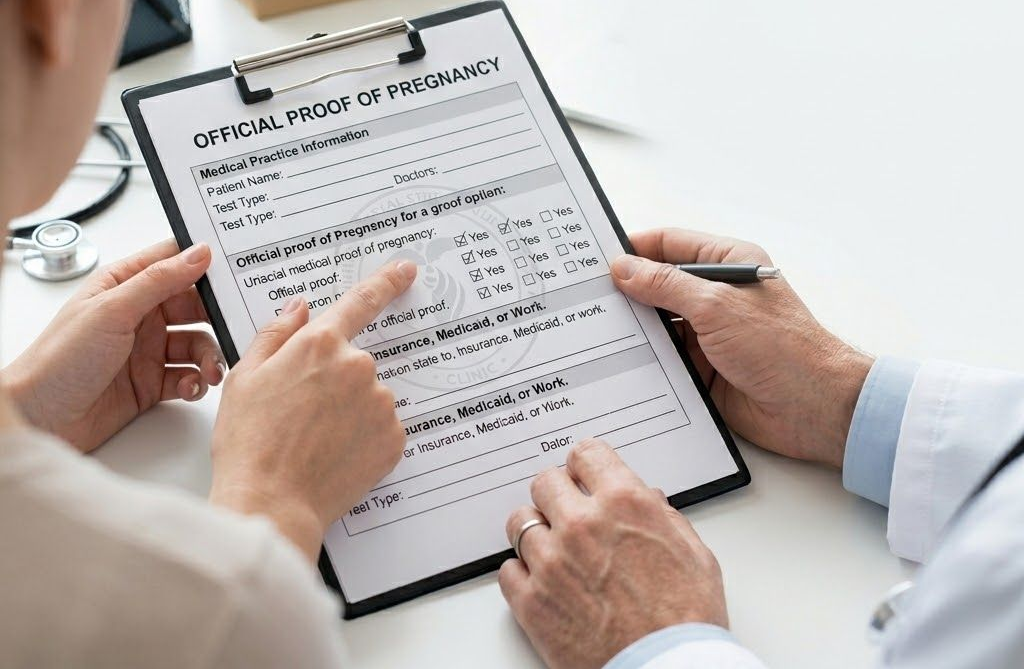
Need official proof of pregnancy for work, Medicaid, or insurance? Find out where to go and what documents you need to verify your pregnancy quickly.
By A Caring Pregnancy Center • August 16, 2026
Can ignoring an STI lead to infertility? Learn how untreated sexually transmitted infections can cause long-term reproductive issues and how to prevent it.
Show More