How Much Is a Pregnancy Test? What It Really Covers
How Much Is a Pregnancy Test? What It Really Covers
How Much Is a Pregnancy Test? What It Really Covers
Key Takeaways:
- Pregnancy test costs vary depending on where and how you test.
- At-home pregnancy tests can cost anywhere from $1 to $20.
- Blood pregnancy tests at a doctor’s office can cost $50–$200 or more without insurance.
- An ultrasound provides additional medical information that urine and blood tests cannot.
- Free pregnancy testing and limited ultrasounds may be available in your area.
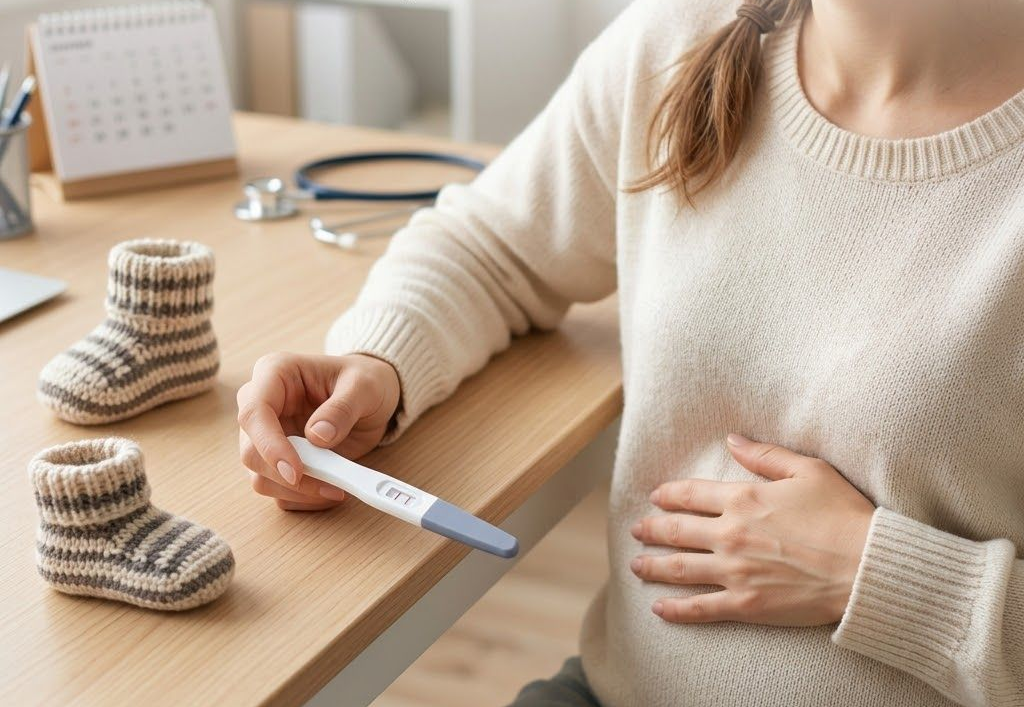
Think you could be unexpectedly pregnant? You may ask yourself how much a pregnancy test costs.
When you’re already feeling unsure, even small expenses can feel stressful. You may be wondering whether to grab a test at the store, schedule an appointment with a doctor, or wait a few more days. You might also be asking yourself whether the cheapest option will actually give you reliable answers, or whether you’ll end up needing additional appointments later.
Understanding pregnancy test costs is about more than just the price on the box. It’s also about knowing what each type of test can tell you, what it cannot tell you, and whether you may need additional medical confirmation afterward.
If you think you might be pregnant and feel unsure about what to do next, you don’t have to figure it out alone. Our clinic offers free pregnancy testing and limited ultrasounds in a confidential, supportive environment so you can get clear answers about your situation before making any decisions.
This guide explains how pregnancy tests work, how much they typically cost, how much a blood pregnancy test costs, what free options may exist, and why medical confirmation can help protect both your health and your finances.
How Much Do Pregnancy Tests Usually Cost?
When asking how much pregnancy tests cost, the answer depends on the type of test and where you take it.
At-home urine tests are typically the least expensive. Clinic-based urine tests cost slightly more. Blood pregnancy tests are usually the most expensive option without insurance.
Typical ranges include:
- At-home urine tests: $1–$20
- Clinic urine tests without insurance: $20–$50+
- Blood pregnancy tests without insurance: $50–$200+
So when asking how much a pregnancy test costs, the most affordable answer is often just a few dollars. However, the lowest price does not always equal complete clarity.
The real question becomes: what level of confirmation do you need right now?
How Much Does a Pregnancy Test Cost at Home?
At-home pregnancy tests are widely available and often the first choice for women who want quick answers.
You can find them at:
- Pharmacies
- Grocery stores
- Convenience stores
- Dollar stores
Typical cost range:
- Dollar store tests: $1–$3
- Standard pharmacy tests: $5–$15
- Digital tests: $10–$20
Most at-home tests detect hCG (human chorionic gonadotropin), a hormone that increases after implantation occurs in the uterus. When used correctly and taken after a missed period, many at-home tests are highly accurate.
However, timing matters. Testing too early can result in a false negative. That can cause confusion, repeated testing, and added stress.
Can Cheap Pregnancy Tests Be Wrong?
Cheap pregnancy tests are not automatically inaccurate. Many use the same hormone-detection technology as higher-priced brands. However, pregnancy tests can produce inaccurate results if:
- They are taken too early
- They are expired
- Instructions are not followed carefully
- Results are read outside the recommended time frame
False negatives are more common than false positives. If you test before hCG levels rise high enough, the test may show negative even if you are pregnant.
If your period is late but your test is negative, waiting 48–72 hours and testing again can provide clearer results.
How Pregnancy Tests Work
Pregnancy tests detect hCG, which begins rising after implantation. After fertilization, implantation typically occurs about 6–10 days later. Only after implantation does hCG production begin.
In early pregnancy, hCG levels generally double every 48–72 hours. This rapid rise is why retesting after a few days can change results.
Irregular menstrual cycles can complicate timing. Stress, illness, travel, and hormonal changes can delay ovulation. That means what feels like a “late period” may not always mean pregnancy.
Understanding this can prevent unnecessary panic.
How Much Is a Blood Pregnancy Test?
If you’re asking how much a blood pregnancy test costs, expect a higher cost than at-home testing. Blood pregnancy tests are performed in medical settings and measure the exact level of hCG in your bloodstream.
Typical cost without insurance:
- $50–$200+
- Possible additional lab processing fees
Blood tests can detect pregnancy slightly earlier than urine tests. They may also be used to monitor rising or falling hCG levels if miscarriage is suspected.
However, like urine tests, blood tests still cannot confirm pregnancy location or viability. Only ultrasound can provide that information.
Why Some Women Choose Medical Testing First
While at-home tests are convenient, some women choose to start with medical testing instead. This is especially true if their cycles are irregular, if they’ve recently experienced a miscarriage, or if they have health conditions that may complicate early pregnancy.
Medical testing can offer reassurance because it happens in a clinical setting, and results can be discussed immediately with a healthcare provider. Instead of interpreting faint lines alone at home, you can ask questions and receive guidance on next steps.
If you feel anxious about test accuracy, support like this can make you feel more stabilized. It may also prevent the need to purchase multiple at-home tests over several days while waiting for clarity.
In some situations, paying slightly more upfront for medical confirmation can reduce repeated expenses and emotional stress later.
How Much Does It Cost for a Pregnancy Test at a Doctor’s Office?
Clinic urine tests are similar to at-home tests but administered in a medical setting. However, many physicians typically perform pregnancy testing during an established patient visit or as part of a broader medical appointment.
Typical cost:
- With insurance: Often covered or low-cost
- Without insurance: $20–$50+
Sometimes the pregnancy test is bundled into a larger office visit, which can increase the total cost. If you are not an established patient or do not have insurance, scheduling a pregnancy test through a traditional medical office may be more complicated.
Before scheduling, you may want to ask:
- Is this billed separately?
- Is there an office visit fee?
- Are additional lab tests required?
Clarifying these details can help you avoid unexpected bills.
What a Pregnancy Test Can and Cannot Tell You
A pregnancy test answers one primary question: Is hCG present? It does not tell you:
- How far along you are
- Whether the pregnancy is viable
- Whether the pregnancy is developing normally
- Whether the pregnancy is located in the uterus
Many women feel uncertainty even after receiving a positive result. That’s because confirmation involves more than hormone detection.
Approximately 10–20% of known pregnancies end in miscarriage. In some cases, hCG may remain detectable for a short time even after pregnancy loss. A positive test does not automatically mean a progressing pregnancy.
Why Timing and Hormone Levels Matter More Than You Think
When thinking about pregnancy test costs, most women focus on the price of the test itself. But timing can actually affect whether that first test gives you useful information, or just more questions.
HCG levels rise at different rates for different women. Some women build detectable hormone levels quickly. Others may take a little longer, especially if ovulation occurred later than expected. That means two women who conceived on the same calendar date could receive different test results if they test early.
This is one reason medical providers often recommend testing after a missed period rather than immediately after unprotected sex. It’s also important to understand that certain factors can affect results, including:
- Irregular menstrual cycles
- Recent hormonal birth control changes
- Polycystic ovary syndrome (PCOS)
- Perimenopause
- Recent miscarriage
In some cases, hCG can remain in your system briefly after a miscarriage, leading to a positive test even if the pregnancy is no longer progressing. On the other hand, testing very early in a new pregnancy may not yet detect rising hormone levels.
Are your results confusing because of faint lines, negative results with persistent symptoms, or delayed periods? It’s best to repeat testing or medical confirmation to provide clarity.
Understanding how timing affects accuracy can help you avoid unnecessary stress, repeated purchases of multiple tests, or premature medical appointments. Sometimes the most financially wise step isn’t buying another test - it’s confirming what’s happening medically so you’re not guessing.
Why an Ultrasound Matters
An ultrasound provides medical clarity beyond a pregnancy test. A limited ultrasound can confirm:
- The pregnancy location (whether it’s growing within the uterus or not)
- Viability (the presence of a heartbeat)
- How far along the pregnancy is (gestational age)
Gestational age affects medical options, costs, and timelines. Knowing exactly how far along you are removes guesswork.
Ultrasound also detects ectopic pregnancy. An ectopic pregnancy occurs when implantation happens outside the uterus, most commonly in a fallopian tube. It cannot continue normally and can become life-threatening if untreated.
Symptoms may include sharp pelvic pain, shoulder pain, dizziness, or abnormal bleeding. A pregnancy test cannot detect an ectopic pregnancy. Early ultrasound protects your safety.
Can You Get Pregnancy Tests for Free?
Yes. Many communities offer free pregnancy testing. Some pregnancy resource centers and clinics provide:
- Free medical-grade urine pregnancy testing
- Free limited ultrasounds
- Confidential consultations
If a pregnancy test cost is causing hesitation, free services may offer a safe and pressure-free starting point. Removing financial stress can help you focus on gathering information rather than rushing decisions.
The Hidden Costs of Not Verifying Your Pregnancy
An at-home test may cost only a few dollars. But not confirming medically can sometimes lead to larger expenses later. Without confirmation, women may:
- schedule unnecessary appointments
- travel prematurely
- misjudge gestational age
- miss early health concerns
- experience delayed care
For example, gestational age significantly affects medical procedure cost. Being further along than expected may change available options and pricing.
Taking one careful step early can prevent financial surprises later.
What If Your Test Is Negative but You Still Feel Pregnant?
Sometimes women experience symptoms such as nausea, fatigue, or breast tenderness even with a negative test. Possible reasons include:
- Testing too early
- Hormonal changes
- Delayed ovulation
- Stress
- Medical conditions
If your period remains absent and tests remain negative, a medical evaluation can provide answers.
What If Your Test Is Positive?
After a positive result, it’s normal to feel a wide range of emotions. Your next step ideally includes:
- Confirming pregnancy location
- Confirming gestational age
- Discussing options in a supportive setting
Rushing decisions without confirmation can increase anxiety. Clear information helps reduce fear.
Emotional and Financial Stress
Pregnancy test cost may seem small compared to the emotional weight of uncertainty. Many women describe checking calendars repeatedly, analyzing every symptom, and retesting multiple times.
Clarity can bring peace. Taking time to confirm your pregnancy medically may reduce long-term stress and prevent unnecessary expenses.
When Is the Best Time to Take a Pregnancy Test?
For the highest accuracy:
- Test after a missed period
- Use first-morning urine if testing early
- Retest if unsure
If you experience severe pain or heavy bleeding, seek medical care immediately, regardless of test results.
Before You Take Your Next Step
If you’re here because you’re worried about how much a pregnancy test costs, chances are you’re carrying more than just financial questions. You may be feeling pressure to act quickly, to decide something immediately, or to figure everything out on your own.
You don’t have to rush.
A pregnancy test is simply a starting point. Confirming your results, understanding how far along you are, and getting clear medical information can give you a solid foundation before making any further decisions. When you have accurate details about your pregnancy, fear tends to shrink, and clarity grows.
If cost is part of your hesitation, look into free pregnancy testing and limited ultrasound services in your community. Removing financial pressure can help you focus on what matters most - your health, your safety, and your next step.
Right now, the most important thing isn’t making a final decision. It’s getting reliable information so you can move forward with confidence and peace of mind.
Sources: