How to Get Official Proof of Pregnancy for Insurance, Medicaid, or Work

How to Get Official Proof of Pregnancy for Insurance, Medicaid, or Work

Key Takeaways

  • Proof of pregnancy is an official document confirming a pregnancy through testing or medical verification.
  • Many women need proof of pregnancy for Medicaid, insurance, work accommodations, or other assistance programs.
  • A proof of pregnancy document may include information such as estimated due date, test results, or provider verification.
  • Free proof of pregnancy services may be available through pregnancy centers or healthcare providers.
  • If you just received a positive pregnancy test, compassionate support and pregnancy-related resources are available.


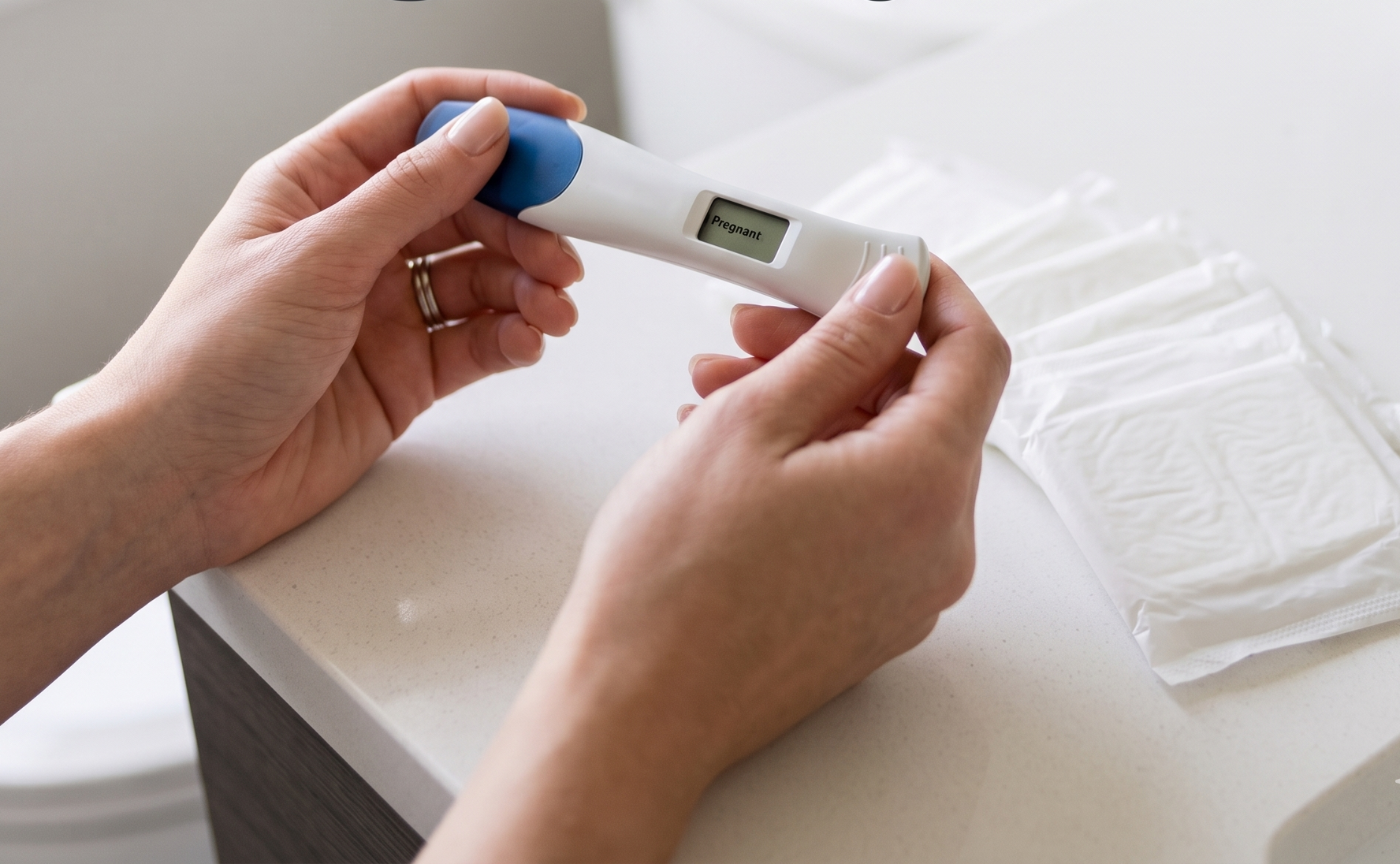
Many women search for proof of pregnancy after receiving a positive test result and needing documentation for insurance, Medicaid, work, or other services. A proof of pregnancy document is typically provided after pregnancy testing or ultrasound services confirm signs of pregnancy. 


If you are wondering where to get proof of pregnancy or how the process works, understanding your available options can help you anticipate what to expect next.


What Is Proof of Pregnancy?

Proof of pregnancy is an official document issued by medical or pregnancy-related services that confirms a pregnancy. A proof of pregnancy form may sometimes include:

  • Positive pregnancy test results
  • Estimated due date
  • Date of testing
  • Provider information


Different programs or workplaces may request different types of pregnancy documentation. Some women seek proof of pregnancy for:

  • Medicaid applications
  • Insurance coverage
  • Work accommodations
  • Assistance programs
  • Prenatal care services


Receiving pregnancy-related paperwork for the first time can feel like a lot, especially during an unexpected pregnancy. Having clear information and a supportive environment can make the process feel less overwhelming.


How to Get Proof of Pregnancy

Applying for Medicaid or pregnancy-related assistance programs can sometimes feel confusing, especially if you are already processing an unexpected pregnancy.


Some offices may request documentation quickly, leaving women feeling stressed or unsure where to start.


There are several places where women may get proof of pregnancy. Some common options include:

  • Pregnancy centers
  • Healthcare providers
  • OB-GYN offices
  • Urgent care clinics
  • Hospitals in some situations


Many women begin by scheduling a free pregnancy test and ultrasound appointment to learn more about their pregnancy and what documentation may be needed.


What Is Medical Proof of Pregnancy?

Medical proof of pregnancy usually refers to documentation provided after pregnancy-related services confirm signs of pregnancy.


This may include:

  • Pregnancy testing
  • Ultrasound information
  • Pregnancy verification paperwork


Different providers may use different forms or terminology depending on the reason documentation is needed.


How to Show Proof of Pregnancy

Proof of pregnancy is usually shown through official paperwork provided during a pregnancy-related appointment. This document may sometimes be requested for:

  • Medicaid enrollment
  • Insurance purposes
  • Workplace accommodations
  • Social service programs


Because requirements can vary, some women choose to ask ahead about what documentation may be needed for their specific situation.


How to Get Proof of Pregnancy for Medicaid

Many women need proof of pregnancy to apply for Medicaid pregnancy coverage or related assistance programs.


In many cases, Medicaid offices request:

  • A proof of pregnancy document
  • Estimated due date information
  • Provider verification


If you are unsure of where to begin with a recent positive pregnancy test result, scheduling a free pregnancy test and ultrasound appointment may help you receive pregnancy-related documentation and support as you explore available resources.


Can the Hospital Give Me Proof of Pregnancy?

In some situations, hospitals may provide pregnancy-related documentation, especially after emergency care or pregnancy-related visits. However, many women receive proof of pregnancy earlier through:

  • Pregnancy centers
  • Healthcare providers
  • OB-GYN offices


Because every situation is different, contacting the provider directly may help clarify what paperwork they can offer.


How to Prove Someone Is Pregnant

Official pregnancy verification is generally provided through medical or pregnancy-related services rather than home pregnancy tests alone.


This may involve:

  • Pregnancy testing
  • Ultrasound information
  • Provider documentation


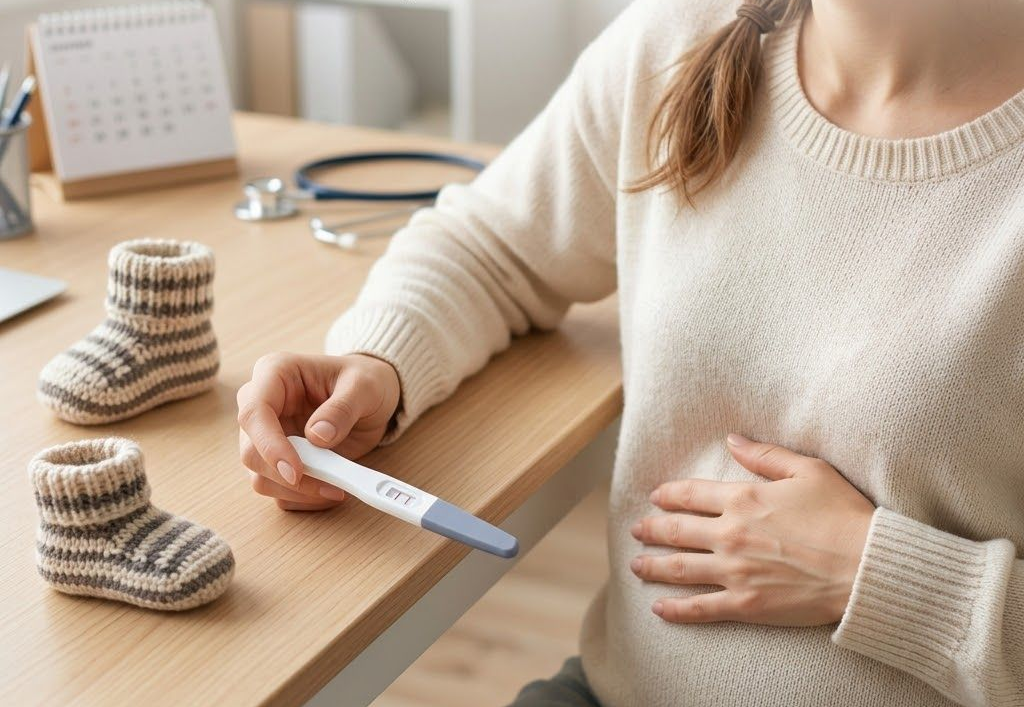
Home pregnancy tests can indicate pregnancy, but workplaces, insurance providers, or assistance programs may request formal paperwork instead.


While paperwork and insurance requirements may feel stressful, you do not have to navigate everything perfectly all at once. Taking things one step at a time and receiving support along the way can help you approach the process.


Understanding Your Next Steps After a Positive Pregnancy Test

A positive pregnancy test can come with many emotions and practical questions all at once. You may be thinking about insurance, work, finances, medical care, or simply trying to process what this means for your future.


A positive pregnancy test can leave you juggling a lot of questions at once, especially when paperwork, insurance, or work requirements suddenly become part of the conversation. Having a place to ask questions and receive clear information makes the process less stressful and more manageable.


If you need pregnancy-related documentation or want help understanding the next steps, scheduling a confidential appointment may provide the support and guidance you’re looking for.


Sources
  1. Cleveland Clinic – Pregnancy Tests: When to Take, Types & Accuracy
  2. ACOG - Methods for Estimating the Due Date
By A Caring Pregnancy Center • September 14, 2026
Key Takeaways Adoption is one possible option for unplanned pregnancy and looks different for every woman and family. Modern adoption plans can allow varying levels of communication and involvement between birth parents and adoptive families. Some women choose adoption because they want to provide long-term stability and opportunities for their child. Exploring adoption does not mean you are committing to a decision immediately. Compassionate support and accurate information can help you better understand your options for unplanned pregnancy. An unplanned pregnancy can bring up many emotions and questions about the future. Some women begin exploring adoption as they learn more about their options for unplanned pregnancy and what each path could look like. Understanding how adoption works, the different types of adoption available, and the support resources available to you helps you feel more informed as you take your next step. What Is Adoption in Simple Words? Adoption is a legal process where a child becomes part of another family that takes on the permanent role of parenting and care. For women experiencing an unplanned pregnancy, adoption can look very different depending on personal preferences, goals, and comfort levels. While some women desire ongoing communication with the adoptive family, others want more privacy. Learning about adoption does not mean you are required to choose it. Exploring information helps you better understand your pregnancy options. What Are the Different Adoption Options? There is more than one type of adoption available for pregnant mothers considering adoption. Common adoption options may include: Open adoption Semi-open adoption Closed adoption In an open adoption, communication between birth parents and the adoptive family may continue over time through visits, photos, or updates. Semi-open adoptions usually involve limited communication through an agency or third party. Closed adoptions involve little or no ongoing contact after placement. Every adoption type looks different, and it’s helpful to understand the differences so you can make a clear decision if you choose adoption. What Is the Most Common Form of Adoption? Open adoption is one of the most common forms of adoption today.² Many women appreciate having: Continued communication Updates about the child Opportunities for future connection At the same time, every woman’s comfort level and circumstances are unique. Choosing an adoption plan is deeply personal, and there is no “right” experience for everyone. Why Do Some Women Choose Adoption? Women choose adoption for many different reasons. Some women who are considering adoption: Want additional stability for their child Feel unprepared to parent Want to continue educational or career goals Desire a different long-term family situation for the child Need additional support or resources Your unique situation is personal and emotionally complex. Exploring adoption options does not make you selfish or weak. If you are feeling overwhelmed by an unplanned pregnancy, talking through your thoughts with someone supportive may help you feel less alone during the decision-making process. What Is the Best Option for Adoption? While there is no “best” adoption option for everyone. The right adoption plan depends on: Your comfort level Your relationship preferences Your emotional needs Your long-term goals Your support system Some women feel more comfortable with ongoing communication, while others prefer privacy. Understanding your adoption options may help you better understand what feels most supportive for your situation. Can You Choose the Adoptive Family? One aspect of modern adoption that surprises many women is the ability to have input in choosing the adoptive family. Depending on the type of adoption plan, you could: Meet potential adoptive families Review family profiles/backgrounds Discuss future communication preferences Share hopes or values that matter to them Having a voice in the adoption process can help you feel more comfortable and informed as they explore their options. Pregnant and Want to Make an Adoption Plan? Many women searching for information about adoption plans during an unplanned pregnancy are trying to process difficult emotions and better understand what the adoption process may involve. For some, making an adoption plan is a thoughtful and loving decision made after carefully considering their circumstances, future goals, and hopes for their child. You deserve space to ask questions and learn about your pregnancy options without pressure or judgment. If you would like support as you explore your options for an unplanned pregnancy, a confidential appointment may provide a safe place to ask questions and learn more about available resources. Understanding Your Pregnancy Options An unplanned pregnancy comes with lots of layers when you are trying to think through important decisions about the future. You could feel scared, uncertain, emotional, or simply unsure where to begin. No matter what you’re facing around your pregnancy decision, know that you are not alone and that non-judgmental support is available. Whether you are exploring your pregnancy options or simply looking for a safe place to talk, resources are available. Scheduling a confidential appointment may help you feel more informed and supported as you consider your next steps. Sources Child Welfare Information Gateway – Understanding Adoption American Adoptions – Open Adoption Overview
By A Caring Pregnancy Center • August 16, 2026
Can ignoring an STI lead to infertility? Learn how untreated sexually transmitted infections can cause long-term reproductive issues and how to prevent it.
By A Caring Pregnancy Center • July 15, 2026
Wondering how common chemical pregnancies are? Learn about the signs, causes, and facts surrounding early pregnancy loss to help you understand your body.
Show More